
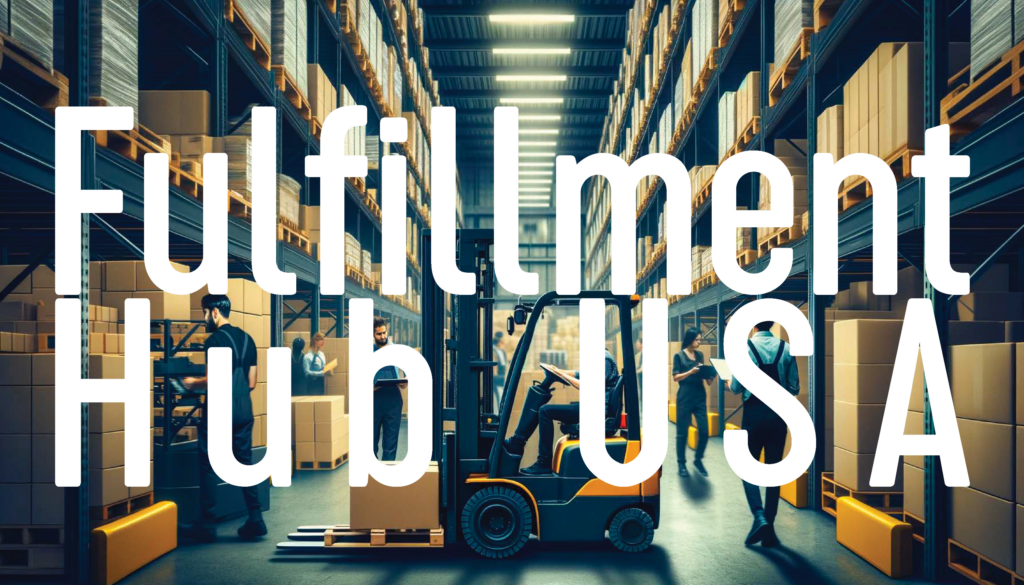
In the fast-growing health and beauty industry, effective warehousing strategies are essential to meet customer demands and optimize fulfillment. Recent trends show that consumer preferences are shifting rapidly, making efficient distribution critical for brands looking to maintain a competitive edge. This article explores the best warehousing strategies tailored for health and beauty brands to enhance efficiency and meet customer expectations in 2025.
Key Takeaways
- Efficient warehousing boosts order accuracy, enhancing customer satisfaction.
- Advanced inventory management minimizes stockouts and overstock issues.
- Automation speeds up processes, reducing labor costs and lead times.
- Sustainable practices improve brand image and attract eco-conscious consumers.
- Data analytics enhances decision-making and forecasting accuracy.
Table of Contents
- Understanding Warehousing in Health and Beauty
- Key Strategies for Effective Warehousing
- Inventory Management
- Automation and Technology
- Sustainable Practices
- Latest Developments in Warehousing
- Frequently Asked Questions
- Conclusion
Understanding Warehousing in Health and Beauty
Warehousing refers to the storage and management of goods before they reach the customer. In the health and beauty sector, this includes cosmetics, personal care items, and supplements. Efficient warehousing is vital for this industry to ensure product availability and timely deliveries, especially given the rising trend of online shopping.
Example: A popular skincare brand may stockits products across various regional warehouses to reduce shipping times to customers across the country.
Key Strategies for Effective Warehousing
Inventory Management
Proper inventory management is crucial for health and beauty brands to avoid stockouts and reduce waste.
- Just-in-Time (JIT): This strategy ensures products arrive only as needed, reducing storage costs and spoilage.
- ABC Analysis: Classifying inventory into categories based on sales helps prioritize storage and management efforts.
In short: Efficient inventory management reduces costs and ensures product availability.
Automation and Technology
Incorporating automation can significantly improve warehousing efficiency:
- Automated Picking Systems: These systems can help reduce errors and labor costs.
- Real-Time Tracking: RFID and IoT technologies allow brands to monitor inventory levels and movement, enhancing accuracy.
Proper integration of tech tools streamlines operations and speeds up fulfillment processes.
In short: Automation results in faster processing and reduced labor expenses.
Sustainable Practices
Sustainability is increasingly important for today’s consumers. Health and beauty brands can implement green warehousing practices:
- Energy-Efficient Buildings: Utilizing renewable energy sources can reduce operational costs.
- Recyclable Packaging: Implementing reusable packaging options lowers waste and appeals to eco-friendly customers.
Adopting these practices not only improves brand image but also attracts a loyal customer base invested in sustainability.
In short: Sustainable practices enhance brand reputation while appealing to consumers.
Latest Developments in Warehousing
Recent updates indicate evolving technologies and strategies in warehousing. For instance, as of January 2025, more health and beauty brands are leveraging predictive analytics to better manage inventory and anticipate consumer demand. This trend helps mitigate the risks associated with supply chain disruptions.
In short: Leveraging predictive analytics is a game-changer for inventory management in 2025.
Frequently Asked Questions
1. What is the impact of warehousing on customer satisfaction?
Effective warehousing ensures that products are in stock and delivered on time, leading to higher customer satisfaction.
2. How can brands reduce warehousing costs?
Adopting JIT inventory strategies and investing in automation can lower overall warehousing costs.
3. Why is sustainability important in warehousing for health and beauty brands?
Sustainability resonates with consumers, improving brand loyalty and attracting a demographic focused on eco-friendliness.
4. What technology can enhance warehousing efficiency?
Technologies like RFID, automated picking systems, and data analytics can streamline operations and enhance accuracy.
Conclusion
To thrive in the competitive health and beauty market, brands must adopt advanced warehousing strategies. By focusing on inventory management, automation, and sustainability, companies can significantly enhance their fulfillment processes. The next step is to assess your current warehousing practices and consider how these strategies can be integrated to drive success.
- Supply Chain Quarterly– “Navigating Supply Chain Challenges in 2025.”Supply Chain Quarterly
- Logistics Management– “Innovative Warehousing Strategies for 2025.”
- Modern Retail– “The Rise of Automation in Warehousing.”Modern Retail
Feel free to explore more about warehousing solutions atFulfillment Hub USA, check out oure-Commerce Fulfillment Services, or learn about ourU.S. warehouse locations