
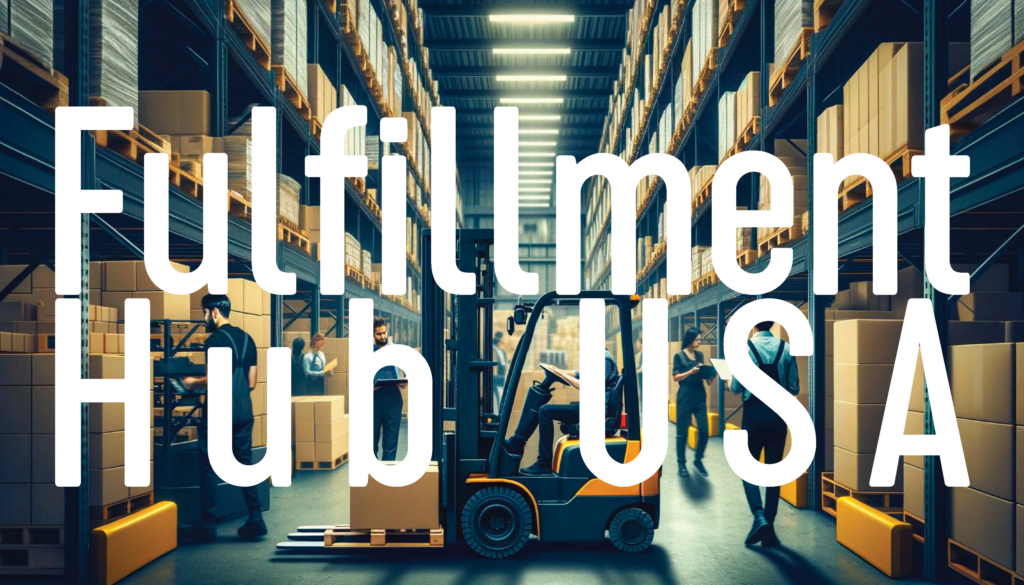
In the fast-paced world of online shopping, effective apparel fulfillment is essential for success. This process involves managing everything from production to delivery, ensuring customers receive their orders on time. Recent trends highlight the importance of transparency, speed, and customer satisfaction in apparel fulfillment. Understanding key terms and processes can help brands optimize their logistics and meet rising consumer demands.
Key Takeaways
- Apparel fulfillment ensures timely delivery of products to customers.
- It involves inventory management, order processing, and shipping.
- Optimizing fulfillment is crucial for increasing customer satisfaction.
- Understanding key terms can help streamline operations.
- Recent advancements focus on sustainability and efficiency.
Table of Contents
- What is Apparel Fulfillment?
- Key Terms in Apparel Fulfillment
- The Apparel Fulfillment Process
- Latest Developments in Apparel Fulfillment
- FAQs about Apparel Fulfillment
- Conclusion
What is Apparel Fulfillment?
Apparel fulfillment refers to the complete process of producing, storing, and delivering clothing items to customers. This includes managing logistics, inventory, and customer satisfaction in every step.
For example, after a customer places an order online, fulfillment centers pick, pack, and ship the items directly to their doorstep.
In short: Apparel fulfillment covers all logistics from production to customer delivery.
Key Terms in Apparel Fulfillment
Understanding key terms can simplify the fulfillment process:
- Order Management System (OMS): A software that tracks orders from receipt to delivery.
- Inventory Management: The process of overseeing and controlling stock levels.
- Picking & Packing: The steps taken to gather items from inventory and prepare them for shipping.
- Last-Mile Delivery: The final step of the shipping process, delivering products to the customer’s location.
- Returns Management: The process of handling returned items efficiently.
In short: Familiarity with these terms enhances clarity in managing apparel fulfillment tasks.
The Apparel Fulfillment Process
The apparel fulfillment process typically involves several critical steps:
- Order Placement: Customers place orders through an e-commerce platform.
- Inventory Checking: The OMS verifies product availability.
- Picking: Warehouse staff locate and gather the ordered items.
- Packing: Items are packed securely for shipping.
- Shipping: Packages are sent to shipping carriers for delivery.
- Delivery: Items reach the customer at their specified location.
- Returns: If needed, items can be returned following company policies.
Steps to Optimize Apparel Fulfillment
- Use an Integrated OMS: Centralize order tracking and management.
- Implement Just-in-Time Inventory: Minimize excess stock to lower costs.
- Automate Picking and Packing: Improve efficiency and accuracy.
- Choose Reliable Shipping Partners: Ensure timely and safe deliveries.
- Enhance Customer Service: Provide clear communication and support.
In short, streamlining these steps leads to more efficient fulfillment processes.
Latest Developments in Apparel Fulfillment
As of November 2023, many apparel companies are focusing on sustainability by integrating eco-friendly practices into their fulfillment processes. Innovations such as using biodegradable packing materials and optimizing delivery routes to reduce carbon footprints are gaining traction. Furthermore, consumer preferences are shifting towards brands that demonstrate responsibility in their operations.
For instance, companies are investing in technology that supports green logistics, such as electric delivery vans and eco-friendly packaging solutions. These advances not only meet customer expectations but can lead to cost savings over time.
In short, the industry is evolving to prioritize both efficiency and sustainability.
FAQs about Apparel Fulfillment
Q1: What is the average time for apparel fulfillment?
The average fulfillment time varies by company and region but can range from 1 to 7 business days. Factors include inventory availability and shipping method.
Q2: How can I reduce fulfillment costs?
Reducing fulfillment costs can be achieved by optimizing inventory management, negotiating with shipping partners, and automating manual processes.
Q3: What role does technology play in fulfillment?
Technology enhances efficiency by automating order processing, improving inventory tracking, and facilitating real-time communication with customers.
Q4: Can small businesses benefit from fulfillment services?
Yes, small businesses can leverage fulfillment services to scale operations, improve delivery times, and focus on core activities like marketing and product development.
Q5: What are common challenges in apparel fulfillment?
Challenges include managing inventory levels, ensuring timely deliveries, handling returns efficiently, and maintaining quality customer service.
In short, addressing these challenges can lead to a more successful fulfillment strategy.
Conclusion
Understanding apparel fulfillment is crucial for businesses aiming to thrive in a competitive market. By familiarizing yourself with key terms and processes, you can streamline operations and enhance customer satisfaction. As trends shift toward sustainability and efficiency, staying updated on developments will help your brand succeed. Consider exploring fulfillment services to simplify your operations and focus on growth.
External Sources
- “The Future of Apparel Fulfillment: Trends and Insights”
- “Sustainable Practices in Apparel Logistics”
- “How Technology is Reshaping Fulfillment Processes”
- “Recent Developments in E-commerce Fulfillment Strategies”
For more information on fulfillment services, visit Fulfillment Hub USA or explore their e-Commerce Fulfillment Services and U.S. warehouse locations.