
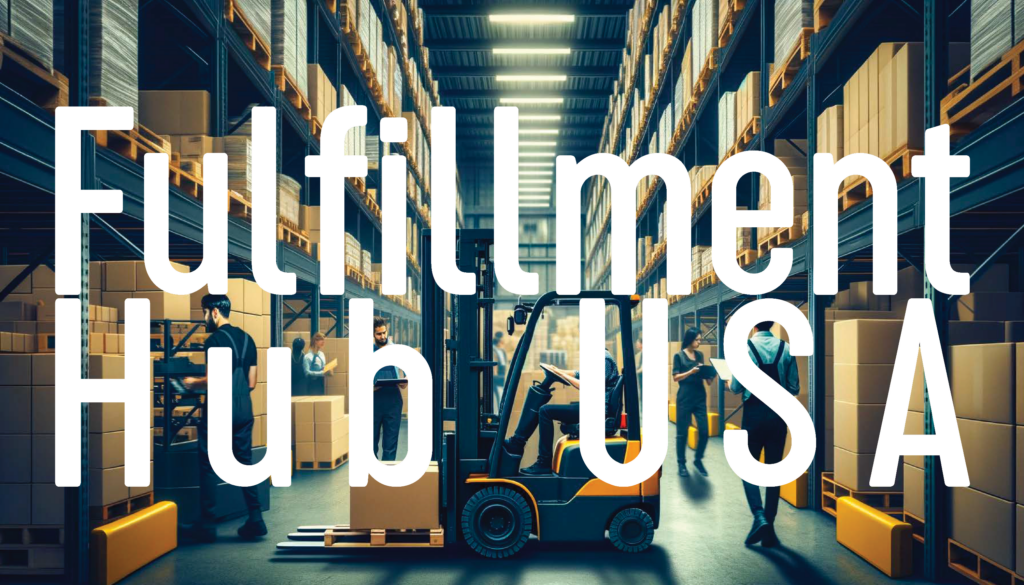
The rise of eco-conscious consumers has made understanding eco fulfillment more crucial than ever for businesses. Eco fulfillment refers to environmentally friendly practices in the logistics and supply chain sector. This guide offers insights into the latest trends, benefits, and strategies for integrating eco-friendly practices into fulfillment processes, especially amidst recent developments in sustainability.
Key Takeaways
- Eco fulfillment reduces environmental impact and enhances brand reputation.
- Implementing green practices can lead to cost savings.
- Consumers are increasingly favoring sustainable brands.
- Collaboration with eco-friendly partners is vital for effective strategies.
- Technology plays a crucial role in optimizing green logistics.
Table of Contents
- What is Eco Fulfillment?
- Benefits of Eco Fulfillment
- Strategies for Implementing Eco Fulfillment
- Latest Developments in Eco Fulfillment Practices
- FAQs on Eco Fulfillment
- Conclusion
What is Eco Fulfillment?
Eco fulfillment involves adopting sustainable practices throughout the supply chain and logistics processes. This includes reducing waste, using eco-friendly materials, and optimizing transportation methods to lower carbon footprints. A common example is using biodegradable packaging for shipping.
In short: Eco fulfillment integrates sustainability into logistics.
Benefits of Eco Fulfillment
Implementing eco fulfillment strategies offers several advantages:
- Cost Savings: Reduced waste and improved efficiency can lead to lower operational costs.
- Brand Reputation: Companies that prioritize sustainability often enjoy better customer loyalty and brand image.
- Regulatory Compliance: Meeting environmental regulations can avoid fines and enhance competitiveness.
- Market Advantage: As more consumers prefer sustainable practices, eco-friendly companies can attract a larger customer base.
Pros and Cons of Eco Fulfillment
| Pros | Cons |
|---|---|
| Lower operational costs | Initial investment required |
| Enhanced brand loyalty | Complex transition |
| Reduced environmental impact | Need for continuous adaptation |
| Compliance with regulations | Potential for higher shipping costs |
In short: Eco fulfillment incurs initial costs but delivers long-term benefits.
Strategies for Implementing Eco Fulfillment
To effectively integrate eco-friendly practices, businesses can follow these steps:
- Assess Current Practices: Identify areas where your fulfillment processes can be more sustainable.
- Choose Eco-Friendly Materials: Use recycled or biodegradable packaging options for shipping.
- Optimize Shipping Routes: Utilize technology to reduce travel distances and improve delivery methods.
- Partner with Green Suppliers: Collaborate with suppliers who prioritize sustainability.
- Implement a Returns Strategy: Design a process for handling returns in an eco-friendly way.
- Educate Your Team: Train staff on sustainable practices and their importance.
In short: A systematic approach to eco fulfillment leads to effective results.
Latest Developments in Eco Fulfillment Practices
In recent months, companies have rapidly adopted sustainable logistics solutions. For instance, in January 2025, a leading logistics firm announced a partnership with a tech startup to enhance route optimization using AI, aiming for a 30% reduction in emissions by 2026. Companies are also increasingly investing in electric delivery vehicles, responding to consumer demand for greener options.
In short: New technologies and partnerships are revolutionizing eco fulfillment.
FAQs on Eco Fulfillment
What are the main components of eco fulfillment?
Eco fulfillment encompasses sustainable packaging, efficient shipping routes, and eco-friendly warehousing practices.
How can businesses measure their eco impact?
Businesses can track metrics such as carbon emissions, waste generated, and energy usage to assess their environmental impact.
Is eco fulfillment cost-effective?
While the initial investment may be high, many companies find that long-term savings from efficiency and consumer loyalty offset these costs.
What role does technology play in eco fulfillment?
Technology helps optimize logistics, reduce waste, and improve transparency in the supply chain.
Are there certifications for eco-friendly practices?
Yes, various certifications exist, such as LEED for buildings and ISO 14001 for environmental management systems.
In short: Eco fulfillment is essential for modern businesses aiming to maintain sustainability.
Conclusion
Understanding eco fulfillment is vital for any business looking to thrive in today’s eco-conscious market. By implementing sustainable practices, you not only reduce your environmental impact but also gain customer loyalty and potential cost savings. Start by evaluating your current processes and exploring eco-friendly options today.
External sources
- “2025 Sustainability Trends: What You Need to Know” – Sustainability Journal
- “How Logistics is Going Green” – Logistics Monitor
- “The Future of Sustainable Supply Chains” – Eco Business Today
Fulfillment Hub USA
e-Commerce Fulfillment Services
U.S. warehouse locations