
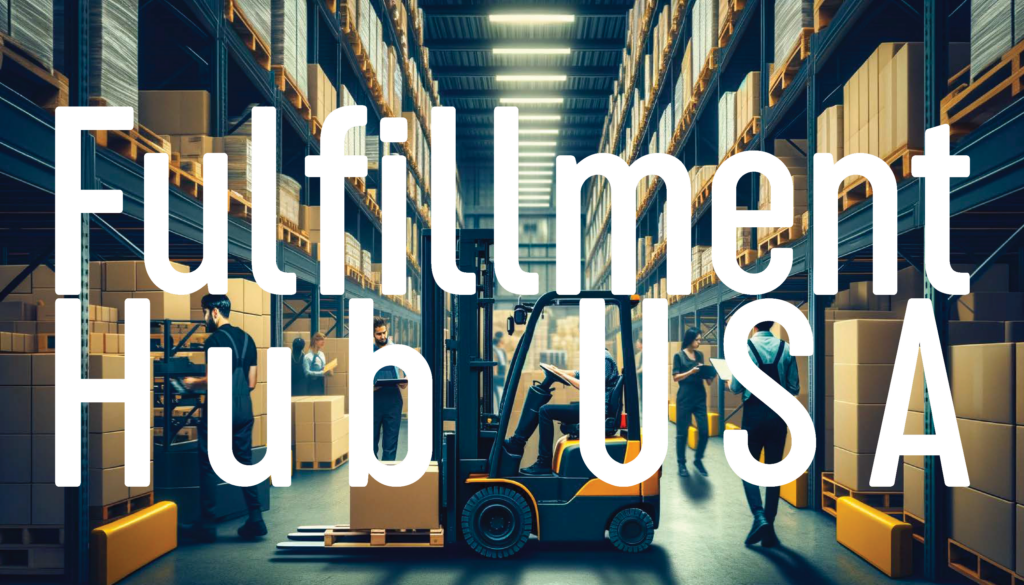
The world of e-commerce continues to boom, especially along the West Coast of the United States. For any business engaged in online sales, understanding the intricacies of warehousing logistics in this region is essential. Companies face unique challenges related to high demand, shipping efficiency, and inventory management. Grasping these elements can greatly enhance fulfillment strategies, improve customer satisfaction, and drive business growth. Recent developments in technology and supply chain strategies also play a crucial role in shaping this landscape, making it vital to stay updated with the latest trends and practices.
Key Takeaways
- Efficient warehousing boosts order fulfillment speed.
- Understanding location advantages is crucial.
- Technology streamlines inventory management processes.
- Flexibility in warehousing supports seasonal demands.
- Collaboration with local logistics partners enhances delivery.
- Awareness of regulatory factors impacts operations.
Table of Contents
- The Importance of Ecom Warehousing
- Key Factors in West Coast Ecom Warehousing
- Distribution Strategies for Ecom Success
- Latest Developments in Logistics
- FAQs
- Conclusion
The Importance of Ecom Warehousing
Ecom warehousing refers to storage solutions specifically designed for e-commerce businesses. These warehouses play a critical role, serving as the bridge between online orders and prompt delivery. For West Coast businesses, location is pivotal due to proximity to major markets and shipping routes. Efficient warehousing leads to quicker order processing, enabling same-day or next-day shipping, which is increasingly expected by consumers.
Definition of Ecom Warehousing
Ecom warehousing involves facilities that manage inventory for online retailers, focusing on quick processing to fulfill orders. For example, a 100,000-square-foot warehouse can house thousands of products, ensuring rapid order fulfillment for an e-commerce platform.
In short, well-structured ecom warehousing is vital for operational efficiency.
Key Factors in West Coast Ecom Warehousing
Several critical factors define the successful logistics of e-commerce warehousing along the West Coast:
1. Location
Choosing a strategic location can reduce transit times and shipping costs. Major cities like Los Angeles and San Francisco are ideal due to their robust transport networks.
2. Inventory Management
Effective inventory management systems, including real-time tracking and automated restocking processes, help businesses keep adequate stock levels.
3. Technology Integration
Advanced technologies, such as warehouse management systems (WMS) and robotics, streamline operations, resulting in faster and more accurate order processing.
4. Scalability
Flexibility to adapt to varying demand levels ensures businesses remain responsive to market changes. This is especially important during peak seasons like holidays.
In short, understanding these key factors is essential for optimizing warehouse logistics.
Distribution Strategies for Ecom Success
To enhance efficiency, e-commerce businesses should adopt specific distribution strategies:
1. Direct-to-Consumer Shipping
By shipping directly from inventory to consumers, businesses can reduce shipping times and costs.
2. Regional Fulfillment Centers
Utilizing multiple smaller warehouses in strategic locations allows quicker access to customers across the West Coast.
3. Partnerships with Local Carriers
Collaborating with local delivery services can improve logistics and provide faster shipping options.
4. Cross-Docking
This process involves transferring products directly from inbound to outbound transportation, minimizing storage time and speeding up delivery.
In short, implementing effective distribution strategies significantly enhances fulfillment capabilities.
Latest Developments in Logistics
Evolving Technologies (March 2025)
Recent advancements focus on integrating AI and machine learning in warehouse operations. These technologies offer predictive analytics that enhances inventory forecasting.
Sustainability Initiatives (April 2025)
In response to environmental concerns, many West Coast warehouses are adopting sustainable practices. This includes using energy-efficient systems and reducing packaging waste.
In short, staying informed about recent developments is necessary for maintaining competitive edge.
FAQs
What are the benefits of West Coast e-commerce warehousing?
West Coast warehousing offers strategic shipping advantages, faster delivery, and greater access to key markets.
How does technology impact warehouse logistics?
Technological integrations, such as WMS and automated systems, significantly reduce operational errors and increase efficiency.
What should businesses consider when choosing a warehouse location?
Key considerations include proximity to major shipping routes, access to transportation networks, and the overall cost of operations.
How can businesses manage seasonal demand fluctuations?
Utilizing flexible storage solutions and data analytics can help address changes in inventory needs throughout the year.
Conclusion
Understanding the logistics of West Coast e-com warehousing is essential for any business in the online retail space. Factors like location, technology integration, and effective distribution strategies significantly affect fulfillment efficiency. As trends continue to evolve, staying aware of developments in the industry will help businesses maintain their competitive edge in a rapidly changing market.
For more insights on how to optimize your operations, check outFulfillment Hub USA