
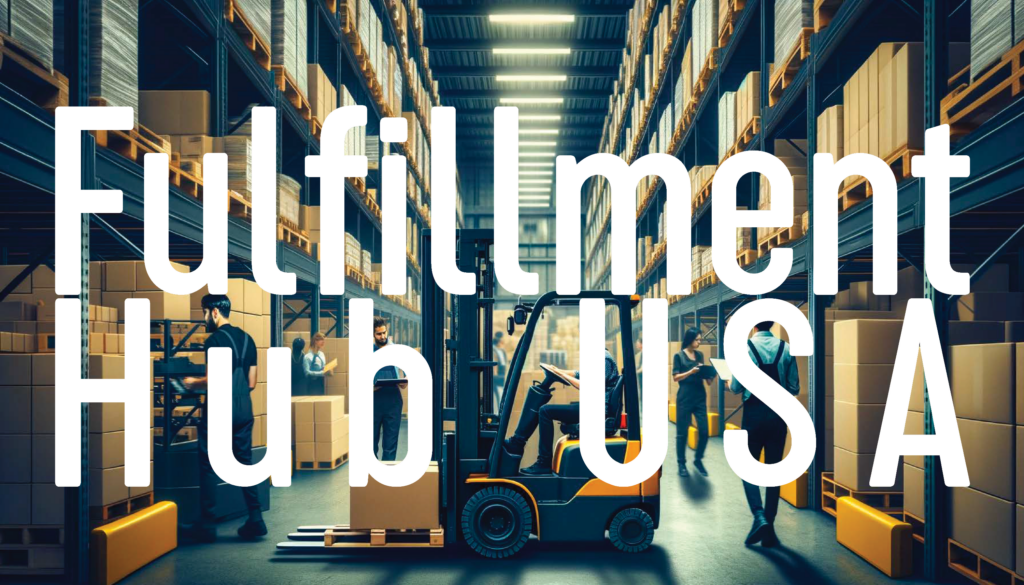
In the rapidly changing world of e-commerce, businesses face challenges in managing their logistics and supply chain. Wholesale fulfillment services offer a solution to streamline these processes. This guide explores how these services work, their benefits, and recent developments that can impact your business decisions. Staying informed about the latest trends ensures you’re prepared to enhance your operations.
Key Takeaways
- Wholesale fulfillment simplifies logistics for retailers and suppliers.
- It can significantly reduce operational costs and improve delivery times.
- Choosing the right service provider is crucial for business success.
- Understanding your customer base helps tailor fulfillment strategies.
- Recent innovations in technology are transforming fulfillment practices.
Table of Contents
- What are Wholesale Fulfillment Services?
- Benefits of Wholesale Fulfillment Services
- How Wholesale Fulfillment Works
- Choosing the Right Wholesale Fulfillment Partner
- Latest Developments in Wholesale Fulfillment
- FAQs
- Conclusion
What are Wholesale Fulfillment Services?
Wholesale fulfillment services are logistics and warehousing solutions designed for businesses that sell products in bulk. This allows retailers or manufacturers to outsource their warehousing and shipping needs to specialized companies. These providers handle inventory storage, order processing, packaging, and shipping directly to customers or retail locations.
Example:A small electronics retailer may use a wholesale fulfillment service to store their inventory in a central warehouse and ship products directly to their customers, alleviating the burden of logistics.
In short: Wholesale fulfillment services streamline the logistics process for businesses by outsourcing warehousing and shipping needs.
Benefits of Wholesale Fulfillment Services
Cost Efficiency
By outsourcing fulfillment, businesses can save money on warehouse space, labor, and operational overhead. This allows companies to focus on growth and sales rather than logistics.
Improved Delivery Times
Fulfillment centers can be strategically located close to major shipping routes or major markets, leading to faster delivery times for customers.
Focus on Core Business
Outsourcing logistics allows businesses to allocate more resources to marketing, product development, and customer satisfaction.
Scalability
As demand fluctuates, wholesale fulfillment services adapt to changes in order volume, which is essential during peak seasons.
In short: The benefits of wholesale fulfillment services include cost savings, improved delivery efficiency, and enhanced focus on core operations.
How Wholesale Fulfillment Works
- Inventory Management:Businesses send their goods to a fulfillment center, where they are stored until needed.
- Order Processing:When an order is placed, the fulfillment center picks, packs, and prepares the order for shipment.
- Shipping:The fulfillment partner ships the order directly to the customer or retail location.
- Returns Processing:If necessary, the fulfillment service handles returns, managing reversed logistics.
In short: Wholesale fulfillment involves a seamless process from inventory storage to order delivery.
Choosing the Right Wholesale Fulfillment Partner
When selecting a fulfillment partner, consider the following criteria:
- Reputation:Research customer reviews and testimonials to gauge reliability.
- Services Offered:Ensure they provide the specific services your business needs, like specialized packaging.
- Technology Integration:Look for partners that offer modern tracking and inventory management systems.
- Location:Proximity to your target market can affect shipping times and costs.
- Pricing Structure:Understand all fees involved, including storage and shipping costs.
In short: Choosing a fulfillment partner involves evaluating reputation, services, technology, location, and pricing.
Latest Developments in Wholesale Fulfillment
Emerging Technologies
As of 2025, innovations such as artificial intelligence (AI) and robotics are being increasingly integrated into wholesale fulfillment operations. These technologies enhance inventory management and streamline order processing, resulting in faster and more accurate fulfillment.
Sustainability Practices
More companies are focusing on sustainability. Many fulfillment centers are implementing greener practices, like eco-friendly packaging and optimized shipping routes, to reduce their carbon footprint.
Latest Update:As of March 2025, several major fulfillment companies announced significant investments in electric delivery vehicles, marking a commitment to greener logistics.
In short: Recent developments in technology and sustainability are reshaping wholesale fulfillment strategies.
FAQs
What types of businesses benefit from wholesale fulfillment services?
Retailers, e-commerce companies, and manufacturers looking to efficiently manage logistics and scale operations benefit the most.
How much do wholesale fulfillment services typically cost?
Costs vary based on factors like volume, storage needs, and services provided. It’s essential to get quotes from multiple providers.
Can I track my orders with wholesale fulfillment services?
Yes, most fulfillment companies offer tracking solutions to monitor order status, providing transparency for both businesses and their customers.
What is the difference between wholesale and retail fulfillment?
Wholesale fulfillment focuses on bulk shipments to retailers or direct to customers, while retail fulfillment typically deals with smaller individual orders for consumers.
In short: Wholesale fulfillment services cater to a wide range of businesses, offering robust tracking solutions and favorable cost structures.
Conclusion
Wholesale fulfillment services provide a vital strategy for businesses aiming to optimize their supply chain. By understanding the benefits and current trends in the industry, companies can enhance customer satisfaction and scale their operations effectively. Consider evaluating your logistics needs today to find the right fulfillment partner that aligns with your goals.
- “The Future of Fulfillment: Trends and Innovations.” Supply Chain Digest, January 30, 2025.
- “Sustainable Practices in Logistics.” Logistics Management, February 15, 2025.
- “How Technology is Reshaping Warehouse Fulfillment.” Warehousing Logistics, March 12, 2025.Link
Here are additional resources you may find helpful: