
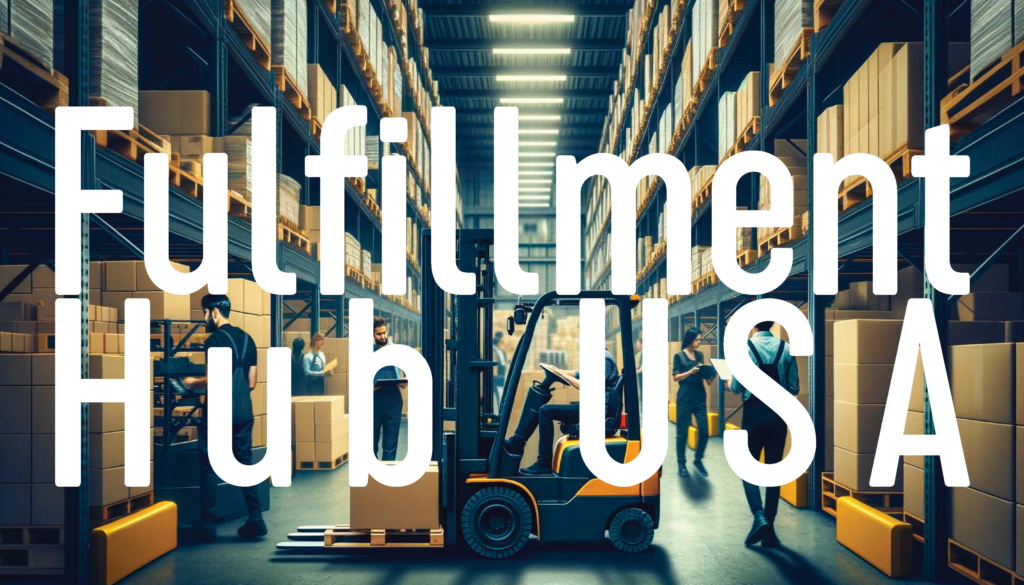
Wholesale fulfilment is a crucial aspect of supply chain management that directly impacts a business’s efficiency and customer satisfaction. As e-commerce continues to grow, understanding the nuances of wholesale fulfilment has become increasingly important. This guide covers the essential components of wholesale fulfilment, including recent developments in the industry.
Key Takeaways
- Wholesale fulfilment manages the storage and delivery of products.
- Efficiency can boost customer satisfaction and reduce costs.
- E-commerce trends influence fulfilment strategies.
- Technology enhances inventory management and order processing.
- Understanding costs helps in effective budgeting.
Table of Contents
- What is Wholesale Fulfilment?
- Components of Wholesale Fulfilment
- Recent Trends in Wholesale Fulfilment
- Steps to Optimize Your Wholesale Fulfilment Process
- Challenges in Wholesale Fulfilment
- Frequently Asked Questions
- Conclusion
What is Wholesale Fulfilment?
Wholesale fulfilment refers to the processes involved in storing, managing, and delivering products to retailers or end customers in bulk quantities. It includes inventory management, order processing, and shipping.
Example: A wholesaler might manage a warehouse filled with various electronic products, ensuring they are stocked and dispatched to retailers based on demand.
In short: Wholesale fulfilment is the backbone of effective inventory distribution.
Components of Wholesale Fulfilment
Inventory Management
Efficient inventory management is vital. It involves tracking stock levels, orders, and deliveries. Accurate inventory helps prevent overstocking or stockouts, which can impact sales.
Order Processing
This entails receiving orders from retailers, picking items from the warehouse, packing, and shipping them. A streamlined order processing system is essential for speed and accuracy.
Shipping
Shipping is the final step, where products are delivered to the retailer or end customer. This includes selecting carriers, managing logistics, and ensuring timely delivery.
In short: Each component plays a role in ensuring products reach customers efficiently.
Recent Trends in Wholesale Fulfilment
Emphasis on Technology
The use of technology in wholesale fulfilment is more prominent than ever. Advanced software systems help track inventory in real-time, manage orders, and integrate with e-commerce platforms. Warehouses are increasingly using automation to speed up processes.
Latest developments: Notably, the Global Supply Chain and Logistics Technology report published in March 2025 highlights that companies integrating AI and machine learning into their fulfilment systems have seen a 30% increase in efficiency.
Sustainable Practices
Sustainability is becoming a priority in wholesale fulfilment. Companies are exploring eco-friendly packaging and optimizing routes to reduce carbon footprints. This trend responds to consumer demands for greener practices.
In short: Embracing technology and sustainability shapes modern fulfilment strategies.
Steps to Optimize Your Wholesale Fulfilment Process
-
Evaluate Current Processes
Assess your current fulfilment system to identify bottlenecks and inefficiencies. -
Use Inventory Management Software
Implement software to automate tracking and updates on stock levels. -
Improve Order Processing
Streamline the order process by integrating various systems to minimize manual work. -
Enhance Shipping Strategies
Evaluate shipping providers and select those that offer the best rates and reliable service. -
Focus on Customer Feedback
Regularly gather and analyze customer feedback to refine your fulfilment strategies. -
Train Staff Regularly
Ensure your team stays up-to-date with the latest fulfilment technologies and practices.
In short: Continuous improvement is key to a successful wholesale fulfilment process.
Challenges in Wholesale Fulfilment
High Costs
Managing fulfilment costs can be challenging. Warehousing, shipping, and staffing require careful budgeting. It’s essential to monitor these expenses regularly.
Keeping Up with Demand
Retail trends can change rapidly. Being able to adapt quickly to changes in demand requires flexibility in inventory management and logistics.
Keeping Track of Inventory
Maintaining accurate inventory levels can be tough. Poor tracking leads to missed sales opportunities or excess stock, both of which hurt profitability.
In short: Awareness of challenges makes it easier to develop effective strategies.
Frequently Asked Questions
What is the difference between wholesale and retail fulfilment?
Wholesale fulfilment involves larger quantities and typically focuses on supplying retailers, while retail fulfilment is concerned with delivering products directly to consumers.
How can technology improve wholesale fulfilment?
Technology enhances tracking, improves accuracy, and automates routine processes, ultimately leading to faster fulfilment times and lower costs.
What are the benefits of outsourcing fulfilment?
Outsourcing can reduce operational costs, free up internal resources, and leverage the expertise of fulfilment service providers.
How do I choose a fulfilment partner?
Consider factors such as technology, location, scalability, and customer service when selecting a fulfilment partner.
In short: Understanding FAQs clarifies common concerns regarding wholesale fulfilment.
Conclusion
Wholesale fulfilment is essential for businesses seeking to enhance efficiency and customer satisfaction. By understanding the components, recent trends, and steps to optimize processes, companies can navigate the challenges and take advantage of opportunities in this ever-evolving landscape.
Take the next step in improving your fulfilment strategy today.
External sources
- “Global Supply Chain and Logistics Technology” (March 2025)
- “Understanding Wholesale Fulfilment: Trends and Insights” (January 2025)
- “Strategies for Effective Inventory Management” (February 2025)
Fulfillment Hub USA
e-Commerce Fulfillment Services
U.S. warehouse locations