
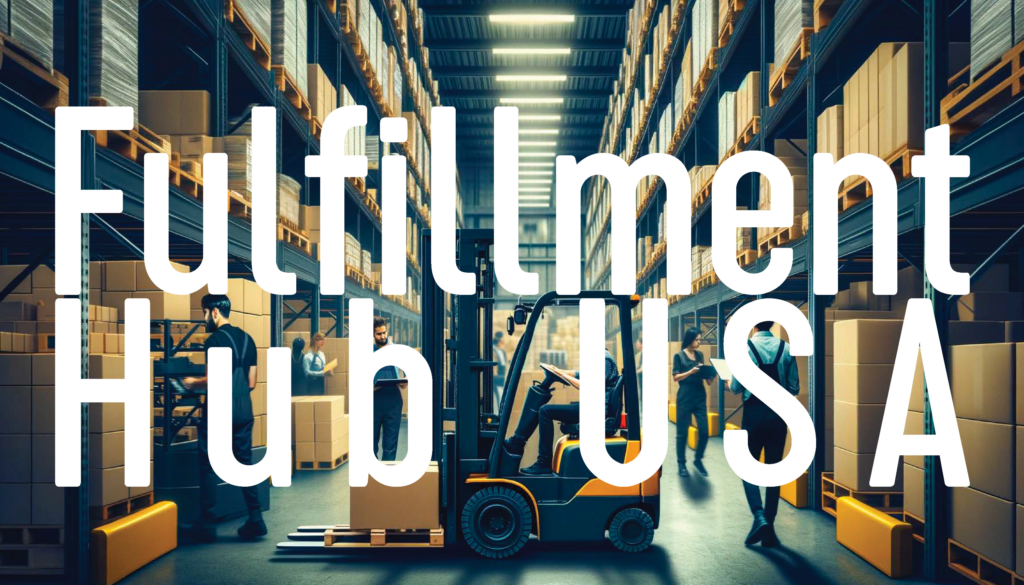
In today’s competitive market, apparel brands face growing challenges in meeting customer expectations. With the rise of e-commerce, effective fulfillment strategies have become crucial for success. Failing to implement these strategies can lead to missed opportunities and dissatisfied customers. Recently, the importance of a streamlined fulfillment process has been heightened, as consumers increasingly expect faster delivery times and seamless shopping experiences. This article explores why every apparel brand needs a robust fulfillment strategy to thrive in 2023 and beyond.
Key Takeaways
- An effective fulfillment strategy promotes customer satisfaction.
- Streamlined logistics improve operational efficiency.
- Customized processes enhance brand loyalty.
- Real-time inventory management minimizes stockouts.
- Adapting to trends can increase market competitiveness.
Table of Contents
- Understanding Fulfillment Strategies
- Benefits of a Fulfillment Strategy
- Components of an Effective Fulfillment Strategy
- Latest Developments in Fulfillment Strategies
- Conclusion
- FAQs
- External Sources
Understanding Fulfillment Strategies
Fulfillment refers to the process of receiving, processing, and delivering customer orders. An effective fulfillment strategy ensures that brands can quickly respond to customer needs while managing their resources efficiently. For example, a brand that uses automated warehousing solutions can significantly reduce processing times.
Example:Companies like Fashion Nova leverage advanced fulfillment centers to meet high order volumes, ensuring timely deliveries and customer satisfaction.
In short: A robust fulfillment strategy is crucial for any apparel brand aiming for growth in today’s market.
Benefits of a Fulfillment Strategy
Implementing a fulfillment strategy offers several benefits, including:
- Customer Satisfaction:Timely deliveries and accurate inventory management lead to higher satisfaction rates.
- Operational Efficiency:Streamlined processes reduce overhead costs.
- Market Adaptability:Companies can quickly adjust inventory and logistics based on consumer trends.
- Brand Loyalty:A great shopping experience encourages repeat business.
In short: The benefits of an efficient fulfillment strategy significantly outweigh the resources needed for implementation.
Components of an Effective Fulfillment Strategy
An effective fulfillment strategy consists of several key components:
1. Inventory Management
Real-time inventory tracking helps businesses maintain optimal stock levels, reducing the risk of stockouts and overstock.
2. Order Processing
Speedy order processing minimizes delays and errors, leading to enhanced customer experiences.
3. Shipping and Delivery
Choosing reliable shipping partners and offering multiple delivery options can meet varying customer needs.
4. Returns Handling
A straightforward returns process encourages customers to make purchases with confidence.
5. Technology Integration
Using technology such as warehouse management systems (WMS) streamlines operations.
In short: Focusing on these components can create a seamless fulfillment experience for apparel brands.
Latest Developments in Fulfillment Strategies
As of April 2025, recent developments highlight the growing role of technology in fulfillment strategies. Many brands are adopting AI and machine learning to enhance order processing and inventory management. For instance, AI can predict inventory needs based on buying patterns, helping brands minimize unsold stock.
Another notable trend is the rise of sustainable fulfillment practices, with brands focusing on eco-friendly packaging and carbon-neutral shipping options. This not only meets consumer demand for sustainability but also helps brands differentiate themselves in a crowded marketplace.
In short: Keeping up with technological and consumer trends is vital for the success of apparel brands.
Conclusion
Adopting a robust fulfillment strategy is no longer optional for apparel brands. It is essential for ensuring customer satisfaction, operational efficiency, and adaptability to market changes. Companies that invest in fulfillment will likely outperform their competitors and build stronger brand loyalty.
For companies looking to enhance their fulfillment processes, the first step is to assess current operations and identify areas for improvement.
FAQs
What is a fulfillment strategy?
A fulfillment strategy is a plan that outlines how a brand processes and delivers customer orders efficiently. It focuses on inventory management, order processing, shipping, and returns handling.
Why is fulfillment important for apparel brands?
Fulfillment is crucial for apparel brands because it directly impacts customer satisfaction and brand reputation. Streamlined fulfillment can lead to faster delivery times and reliable inventory management.
How can brands improve their fulfillment process?
Brands can enhance their fulfillment process by adopting technology such as automated warehousing systems, optimizing shipping routes, and investing in real-time inventory tracking.
What are some common challenges in fulfillment?
Common challenges include managing returns, handling inventory fluctuations, and ensuring timely shipping. Addressing these challenges requires strategic planning and effective technology use.
How do fulfillment strategies affect customer loyalty?
An efficient fulfillment strategy enhances the shopping experience, leading to higher levels of customer satisfaction and ultimately fostering brand loyalty.
- “The E-commerce Fulfillment Landscape: Trends for 2025.” Supply Chain Magazine, February 2025.Supply Chain Magazine
- “How Technology is Transforming Fulfillment for Retail.” Logistics Management, January 2025.
- “Sustainable Fulfillment: The Future of E-commerce.” Green Business Network, March 2025.Green Business Network
Fulfillment Hub USA
e-Commerce Fulfillment Services
U.S. warehouse locations