
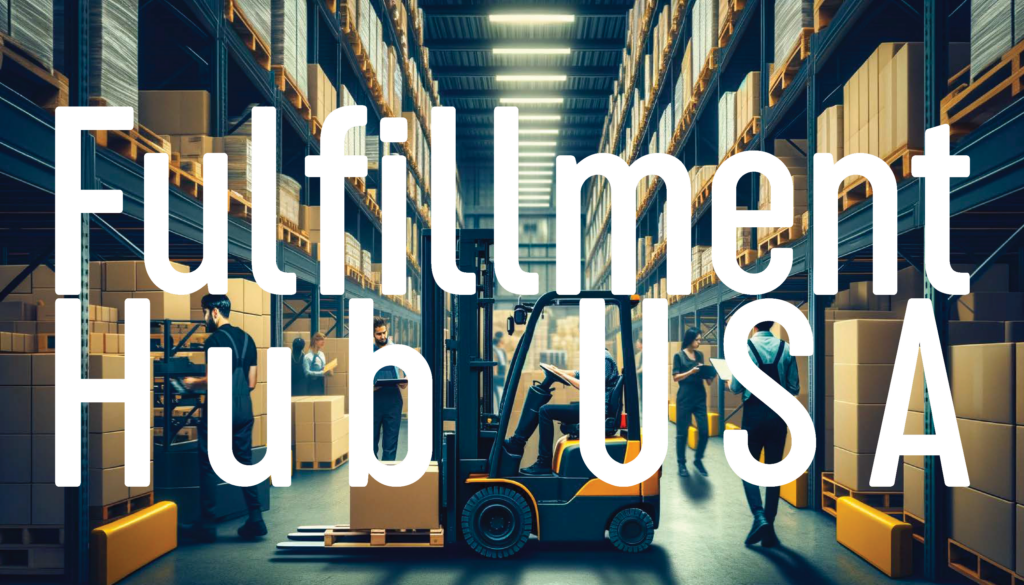
In today’s fast-paced retail environment, businesses often face the challenge of managing costs while ensuring efficient fulfillment processes. Recent developments show a growing need for cost-effective wholesale fulfillment strategies that streamline operations and improve service delivery. By understanding key concepts and employing modern tactics, companies can significantly reduce expenses and enhance customer satisfaction.
Key Takeaways
- Efficient inventory management reduces excess costs.
- Embracing technology can optimize shipping processes.
- Collaborating with local suppliers can lower freight costs.
- Adopting a flexible fulfillment model improves responsiveness.
- Outsourcing fulfillment can provide scalability.
Table of Contents
- Understanding Cost-Effective Wholesale Fulfilment
- Key Strategies for Cost-Effective Fulfilment
- Latest Developments
- FAQ
- Conclusion
Understanding Cost-Effective Wholesale Fulfilment
Cost-effective wholesale fulfillment refers to strategies that help businesses reduce expenses and improve delivery efficiency in wholesale distribution. These strategies often encompass inventory management, leveraging technologies, and optimizing logistics. For instance, a business might switch to a just-in-time inventory system to minimize storage costs, enhancing operational efficiency.
Example
A clothing retailer might employ a just-in-time inventory system, sourcing items only as they receive orders. This reduces holding costs and ensures they respond quickly to customer demand.
In short: Cost-effective wholesale fulfillment aligns operational tactics with business goals to enhance efficiency and reduce overhead.
Key Strategies for Cost-Effective Fulfilment
Embrace Automation and Technology
Automating processes can tremendously cut down labor costs and increase accuracy. Technologies like warehouse management systems (WMS) and customer relationship management (CRM) tools facilitate real-time tracking and efficient order processing.
Steps for Implementation
- Assess current fulfillment processes to identify automation opportunities.
- Choose the right software solutions based on business size and needs.
- Train staff to use newly implemented technologies effectively.
- Monitor performance metrics and adjust as needed.
In short: Automation streamlines order processing, enhances accuracy, and reduces costs over time.
Inventory Management Techniques
Effective inventory management is crucial for minimizing costs. Techniques such as demand forecasting help businesses maintain optimal inventory levels.
Key Techniques
- ABC Analysis: Categorize inventory into three classes (A, B, C) based on importance, focusing resources on managing high-value items.
- Drop Shipping: This method allows retailers to sell products without holding inventory. Suppliers ship directly to customers, minimizing overhead costs.
In short: Smart inventory practices can decrease holding costs and improve cash flow.
Utilizing Third-Party Logistics (3PL)
Partnering with 3PL companies can provide flexibility and scalability for wholesale fulfillment. They manage warehousing, order picking, and shipping, allowing businesses to focus on growth.
Pros and Cons of 3PL
| Pros | Cons |
|---|---|
| Scalable for business growth | Less control over fulfillment |
| Access to more resources | Potential service variability |
| Cost savings on logistics | Dependency on partners |
In short: 3PL can offer significant cost savings and scalability but requires careful partner selection.
Latest Developments
Recent reports from February 2025 indicate a significant rise in companies utilizing automation and artificial intelligence within their fulfillment operations. This shift not only streamlines logistics but also enhances predictive analytics, allowing businesses to adapt to changing consumer patterns swiftly.
FAQ
What is wholesale fulfillment?
Wholesale fulfillment involves the processes of receiving, storing, and distributing products to customers efficiently. It encompasses order management, inventory control, and shipping logistics.
How can I reduce fulfillment costs?
You can reduce costs through better inventory management techniques, embracing automation, and exploring outsourcing options like 3PL services.
What is a 3PL provider?
A third-party logistics provider is a company that handles all aspects of logistics and fulfillment for other businesses. This includes warehousing, order fulfillment, and transportation services.
Why is inventory management important for fulfillment?
Effective inventory management ensures that you have the right products ready for shipment, reducing excess stock and out-of-stock situations, which can impact customer satisfaction.
Can technology improve fulfillment?
Yes, technology can significantly improve fulfillment processes by streamlining operations, reducing human error, and facilitating real-time tracking.
How can I choose a fulfillment strategy?
Evaluate factors such as your business size, order volume, budget, and customer preferences when selecting a fulfillment strategy.
Conclusion
Exploring cost-effective wholesale fulfillment strategies can transform the way businesses manage operations. By adopting modern technologies, improving inventory practices, and considering partnerships with logistics providers, companies can achieve significant cost savings. Start evaluating your current fulfillment strategy and consider implementing these practices to stay competitive in the marketplace.
- “Trend Forecasting in Retail: How to Use Data for Better Inventory Management” –
- “How Automation Helps Retailers Cut Fulfillment Costs” –Retail Dive
- “Navigating the Future of 3PL in eCommerce” –Supply Chain 24/7
For more on fulfillment options, visitFulfillment Hub USA, explore oure-Commerce Fulfillment Services, or find out aboutU.S. warehouse locations