
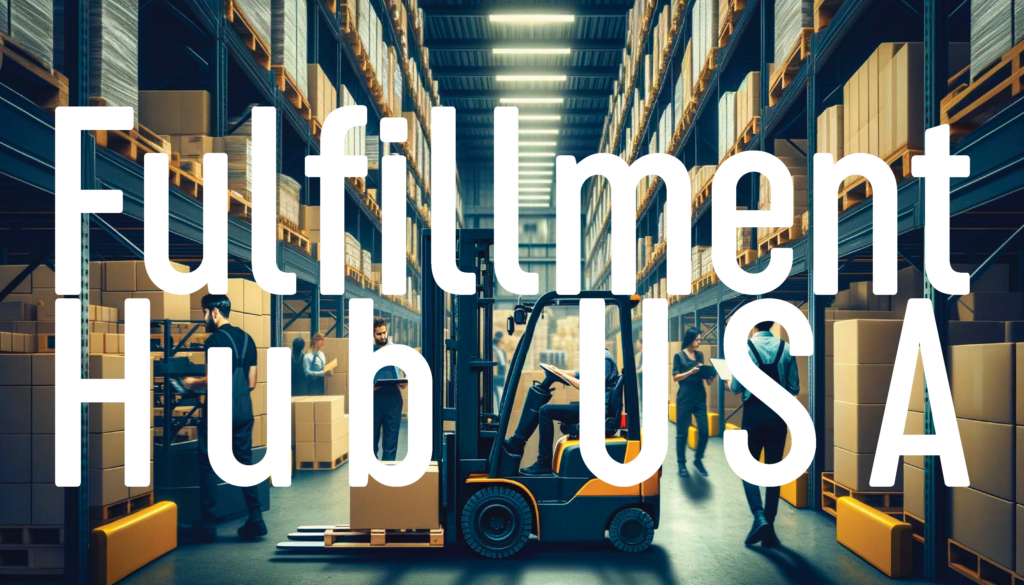
The rapid evolution of technology has significantly impacted order fulfillment operations, especially on the West Coast. As businesses adopt innovative solutions, they enhance efficiency and improve customer satisfaction. Recent developments in automation, artificial intelligence, and data analytics are reshaping how companies handle inventory and manage shipping logistics. With technology playing such a vital role, understanding its implications for order fulfillment is more relevant than ever.
Key Takeaways
- Automation reduces manual errors, streamlining the fulfillment process.
- AI optimizes inventory management, predicting demand accurately.
- Data analytics enhances decision-making for supply chain operations.
- Real-time tracking improves customer satisfaction with transparency.
- Robotics increase efficiency in warehouse operations, reducing delivery times.
- Cloud technology enables scalable and flexible fulfillment solutions.
Table of Contents
- Definition of Order Fulfillment Technology
- Current Technologies in Order Fulfillment
- Benefits of Technology in Fulfillment Operations
- Challenges in Implementing New Technology
- Latest Developments in Technology
- FAQs
- Conclusion
Definition of Order Fulfillment Technology
Order fulfillment technology refers to tools and systems that help businesses process orders efficiently from the point of sale to delivery. This includes software applications, automation equipment, and data analytics platforms. For instance, a cloud-based inventory management system allows retailers to track stock levels in real time and automatically reorder items.
Current Technologies in Order Fulfillment
Automation in Warehousing
Automation has transformed warehousing operations on the West Coast. Robots can pick, pack, and sort items, reducing the workload for human workers. Companies like Amazon have implemented robotic systems that boost fulfillment speed while enhancing accuracy. By minimizing human error, businesses can fulfill orders with greater reliability and speed.
In short: Automation significantly enhances operational efficiency and accuracy in fulfillment.
Artificial Intelligence and Machine Learning
AI and machine learning are being utilized to predict customer demand and optimize inventory. These technologies analyze past sales data to forecast future trends, allowing for better stock management. Retailers can avoid overstock situations and mitigate the risk of stockouts, especially important for e-commerce businesses.
In short: AI-driven tools help maintain optimal inventory levels and predict customer demand.
Data Analytics
Data analytics plays a crucial role in modern order fulfillment. With access to vast amounts of data, businesses can analyze consumer behavior, shipping trends, and operational bottlenecks. This insight enables companies to make informed decisions, improve supply chain efficiency, and fine-tune their fulfillment strategies.
In short: Effective data analytics supports better decision-making in fulfillment processes.
Benefits of Technology in Fulfillment Operations
The integration of technology into order fulfillment processes presents several benefits:
- Increased Efficiency: Automation speeds up order processing.
- Cost Savings: Reductions in labor costs from automated processes can lower overall expenses.
- Improved Accuracy: Technology minimizes human errors.
- Enhanced Customer Experience: Real-time tracking and faster deliveries lead to higher customer satisfaction.
Challenges in Implementing New Technology
Despite the benefits, businesses often face challenges when implementing new technologies:
- High Initial Costs: Upgrading systems can be expensive.
- Training Requirements: Employees must adapt to new tools and systems.
- Integration Issues: Some technologies may not work seamlessly with existing platforms.
In short: While technology offers clear advantages, integrating it can pose challenges.
Latest Developments in Technology
As of 2025, there have been several noteworthy advancements in technology for order fulfillment:
- Rise of Drone Deliveries: Companies are testing drone deliveries to reduce shipping times and costs.
- Sustainability Innovations: New technologies aim to reduce the environmental impact of logistics, such as eco-friendly packaging materials and energy-efficient warehouse systems.
- Enhanced AI Algorithms: Improvements in machine learning applications are refining inventory forecasting methods.
In short: Recent advancements focus on speed, sustainability, and effective inventory management.
FAQs
What types of technologies are essential for order fulfillment?
Essential technologies include automation systems, inventory management software, data analytics platforms, and AI-driven tools.
How does automation impact warehouse jobs?
While it can reduce the number of manual jobs, automation often creates new roles in tech maintenance and operations supervision.
What is the future of order fulfillment technology?
The future will likely see greater integration of AI, faster delivery technologies, and an increased focus on sustainability.
Are there specific challenges unique to the West Coast?
Due to its busy ports and high-density urban areas, the West Coast faces unique logistical challenges such as congestion and high shipping costs.
Conclusion
In summary, technology has become integral to order fulfillment operations on the West Coast. From automation to AI and data analytics, these tools enhance efficiency and customer satisfaction. Businesses must embrace technological advancements to remain competitive. A logical next step is to assess current operations to identify areas for technological improvements.
- “The Future of Order Fulfillment: Trends and Predictions for 2025”, Supply Chain Insights, 2025.
- “How Robotics is Transforming Warehousing”, Logistics Management, December 2025.
- “The Role of AI in Supply Chain Management”, Harvard Business Review, September 2025.
For more information on fulfillment services, visit Fulfillment Hub USA →Fulfillment Hub USA, e-Commerce Fulfillment Services →e-Commerce Fulfillment Services, and U.S. warehouse locations →U.S. warehouse locations